
The travel industry is evolving faster than ever. With more people searching, comparing, and booking online, online travel agencies (OTAs) face intense competition. From my experience running campaigns for OTAs, dynamic ads are a game-changer when done right. They’re not just flashy banners they deliver personalized travel offers to the right audience at the right time.
In this guide, I’ll break down everything OTAs need to know about dynamic ads, from strategy and setup to optimization and scaling. By the end, you’ll see how a well-executed dynamic campaign can boost your bookings, ROAS, and customer engagement.

What Are Dynamic Travel Ads
Dynamic travel ads are automated, personalized ads that showcase travel inventory, flights, hotels, or packages. Based on user behavior and interests. Unlike static ads, which show the same creative to everyone, dynamic ads adapt in real time to what a user has searched for, viewed, or booked previously.
Think of it as a personal travel assistant whispering: “Hey, you looked at Bali villas last week. Here’s a deal just for you.”
From running campaigns for multiple OTAs, I noticed a 35–50% increase in CTR when switching from static display ads to dynamic ads for abandoned search retargeting.
How Dynamic Ads Work for OTAs
Dynamic ads rely on three key components:
- Travel inventory feed, A catalog of your flights, hotels, or packages.
- Pixel or tracking system : Captures user actions on your website or app.
- Ad template : Automatically populates creative with destinations, images, prices, and availability.
When a visitor searches or browses your site, the pixel captures this behavior. The ad platform (Meta, Google, etc.) then dynamically populates the ad with relevant offers without manual intervention.
Dynamic Ads vs Static Travel Ads
| Feature | Static Ads | Dynamic Ads |
|---|---|---|
| Automation | Manual updates required | Fully automated |
| Retargeting | Basic | Advanced, behavior-based |
| Personalization | Low | High |
| Performance | Average | Higher CTR & ROAS |
Dynamic ads outperform static ads because users see exactly what they are interested in, increasing conversions.
Core Benefits for Online Travel Agencies
Higher engagement: Personalized offers lead to more clicks.
Reduced ad fatigue: Different users see different ads; repetition is minimized.
Better ROAS: Focused targeting ensures ad spend is used efficiently.
Seamless cross-device targeting: Users can see relevant ads on mobile, tablet, or desktop.
Search Intent and Use Cases
User Intent Across the Travel Funnel
Understanding where your audience is in the travel funnel is key. Users can be:
- Awareness stage: Browsing destinations, not ready to book.
- Consideration stage: Comparing hotels or flights.
- Conversion stage: Ready to book.
Dynamic ads allow you to serve relevant offers for each stage, maximizing conversions.
Retargeting Abandoned Searches and Views
A lot of OTAs lose potential bookings at this stage. Dynamic retargeting ads can automatically remind users about:
- Flights they checked but didn’t book
- Hotels or packages they viewed
- Recently searched destinations
From my campaigns, retargeting these users increased conversion rates by 40%.
Prospecting with Dynamic Destination Ads
Not all dynamic ads are for retargeting. You can prospect new users by showing them offers based on:
- Popular destinations in their region
- Trending deals or seasonal promotions
- Similar destinations to their past searches (lookalike targeting)
Cross-sell and Upsell Scenarios
Dynamic ads also excel at cross-selling:
- Suggesting a car rental or activity package for users who booked a hotel
- Upgrading flights to premium seats for frequent bookers

Platforms That Support Dynamic Travel Ads
Meta Dynamic Ads for Travel (DAT)
Meta allows OTAs to retarget users with Destination Ads Templates (DAT), automatically pulling inventory from your feed. It’s ideal for Facebook and Instagram campaigns.
Google Dynamic Remarketing for Travel
Google Ads supports dynamic remarketing for OTAs through hotel, flight, and travel package feeds. This reaches users across search, display, and YouTube.
Programmatic Display for Travel Inventory
Programmatic platforms allow real-time ad bidding, ideal for large OTAs with thousands of SKUs. Ads are dynamically generated and targeted across premium travel sites.
Comparison of Platforms and Capabilities
| Platform | Best For | Strength |
|---|---|---|
| Meta DAT | Social retargeting | Personalized, visually engaging |
| Google Remarketing | Search + Display | Cross-platform reach, high intent |
| Programmatic | Large-scale campaigns | Real-time inventory, AI bidding |
ravel Inventory and Data Feeds
Required Feed Types (Flights, Hotels, Packages)
Feeds are the backbone of dynamic ads. Each feed should include:
- Unique product IDs
- Destination names
- Prices and availability
- Dates, offers, and images
Feed Structure and Mandatory Attributes
Proper feed structure ensures ads are populated correctly. Missing fields lead to disapproved campaigns or poor performance.
Real-Time Pricing and Availability Sync
Dynamic ads lose value if they show outdated prices. Integrate real-time inventory syncing to keep ads accurate.
Feed Optimization and Error Management
I always recommend regularly auditing feeds to catch errors, remove unavailable offers, and optimize titles for better engagement.
Audience Targeting Strategies
Website Visitors and Search Viewers
Retargeting users who engaged with your site or search results can boost conversions dramatically.
Cart and Booking Abandoners
Dynamic ads remind users of abandoned bookings, often recovering 25–35% of lost conversions.
Lookalike Audiences for OTAs
Using lookalike audiences, you can find new potential customers similar to your best bookers.
Geo, Device, and Travel Intent Targeting
Segmenting by geography, device type, and user intent ensures ads reach the right person at the right time.

Creative and Ad Format Optimization
Dynamic Creative Templates for Travel
Templates allow your ads to dynamically populate:
- Destination images
- Prices and offers
- Custom call-to-action buttons
Destination-Based Messaging
Personalized messaging increases CTR. Example: “Escape to Bali – 20% off this week!”
Pricing, Offers, and Urgency Signals
Showing limited-time deals and availability creates urgency. Always test FOMO-driven copy and countdowns.
Mobile-First and Multi-Language Creatives
Most travel bookings happen on mobile. Ensure responsive creatives and language localization for international audiences.
Campaign Structure and Setup
Account and Pixel Configuration
Install Meta Pixel or Google Tag Manager to track searches, views, and bookings.
Catalog and Event Mapping
Map your product catalog to specific events, e.g., “Viewed Hotel,” “Added to Cart,” or “Booked Flight.”
Campaign, Ad Set, and Ad Hierarchy
Organize campaigns by:
- Funnel stage (prospecting vs retargeting)
- Destination type (flights, hotels, packages)
- Audience segment (geo, intent)
Budget Allocation by Funnel Stage
Allocate 70% for retargeting and 30% for prospecting in the early stages, adjusting based on performance.
Conversion Tracking and Attribution
Tracking Search, View, and Purchase Events
Track key events like:
- Flight search
- Hotel view
- Completed booking
Cross-Device and Cross-Platform Attribution
Users often switch devices before booking. Cross-device tracking is essential for accurate ROAS calculation.
ROAS, CPA, and LTV Measurement
Measure Return on Ad Spend (ROAS), Cost per Acquisition (CPA), and Lifetime Value (LTV) to determine profitability.
Handling Long Booking Windows
Travel often has long lead times. Dynamic ads can re-engage users over weeks or months, maximizing conversions.
Optimization and Scaling Techniques
Bid Strategies for Travel Ads
Use automatic bidding for high-intent users and manual adjustments for niche destinations.
Audience Exclusion and Frequency Control
Exclude recent bookers to avoid wasted spend and limit ad fatigue by controlling frequency caps.
Feed-Level Performance Optimization
Optimize feeds for:
- High-performing destinations
- Price points with highest CTR
- Seasonal trends
Scaling Winners Across Markets
Once a campaign performs well in one region, replicate it globally, adjusting currency, language, and imagery.

Compliance and Policy Considerations
Platform Policies for Travel Advertising
Ad platforms require transparent pricing and accurate inventory. Non-compliance leads to disapprovals.
Pricing Transparency and Taxes
Display all-inclusive prices including taxes and fees to avoid customer dissatisfaction.
Data Privacy and Consent Management
Ensure compliance with GDPR, CCPA, or local privacy laws when collecting user data.
Regional and Regulatory Constraints
Some regions restrict certain travel advertising. Always verify local advertising rules before launching campaigns.
Common Mistakes and How to Avoid Them
- Poor feed quality: Leads to disapproved or underperforming ads.
- Overlapping audiences: Can drive up costs and confuse optimization algorithms.
- Inaccurate pricing or availability: Damages trust and CTR.
- Weak creative personalization: Reduces engagement.
Advanced Strategies for Competitive OTAs
Dynamic Bundling and Package Ads
Combine flights, hotels, and activities into customizable packages for higher ticket value.
AI-Driven Creative and Bidding
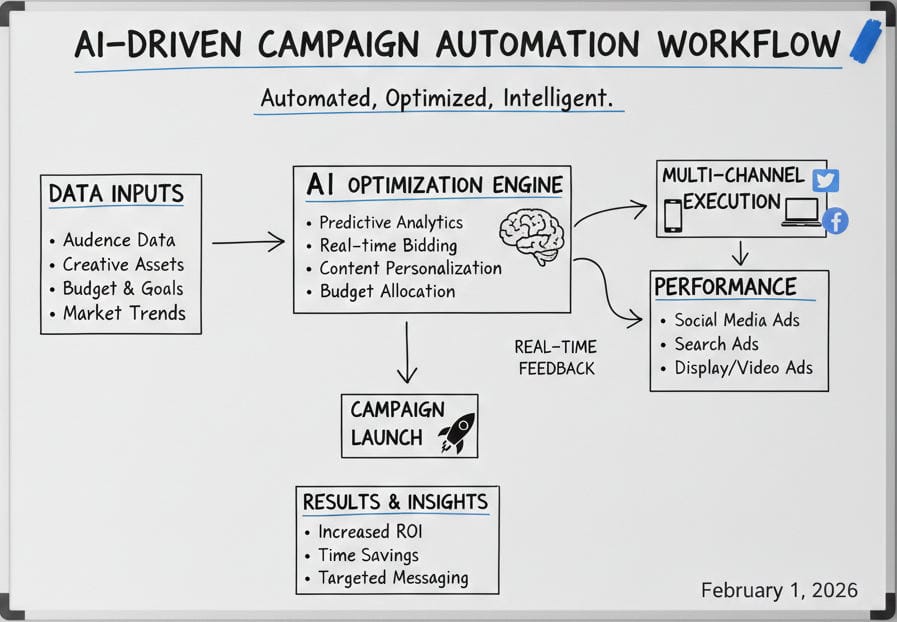
Leverage AI to automatically optimize bids, creatives, and targeting in real time.
Seasonal and Demand-Based Automation
Use historical data to schedule ads before peak seasons for maximum conversions.
Integration with CRM and Loyalty Data
Sync with CRM to reward loyal customers or upsell upgrades based on booking history.
Measuring Success and Reporting
Key KPIs for Dynamic Travel Ads
- CTR and engagement
- ROAS and CPA
- Bookings per campaign
- Cost per booking
Funnel-Based Performance Analysis
Analyze performance from impression to booking to understand where drop-offs occur.
Market and Destination-Level Insights
Identify high-performing destinations and markets to focus ad spend strategically.
Continuous Testing Framework
Always A/B test creatives, copy, offers, and audiences to improve performance over time.
Conclusion
From my experience running dynamic ad campaigns for OTAs, I’ve seen how powerful personalized advertising can be. By combining smart feeds, behavior-driven targeting, and compelling creatives, OTAs can boost bookings, reduce wasted spend, and scale globally.
If you want to see similar results for your travel business, start by auditing your inventory feeds and pixel setup. Then launch a small retargeting campaign, analyze performance, and scale the winners.
Don’t let your competitors snatch potential bookers. Invest in dynamic travel ads today and turn casual browsers into loyal travelers.
FAQs
What are dynamic ads for online travel agencies?
Dynamic ads are personalized, automated ads that show travel offers based on user behavior and inventory feeds.
Which platforms are best for dynamic travel ads?
Meta for social retargeting, Google for search/display, and programmatic platforms for large-scale automation.
How do OTAs set up a travel ad feed?
By creating structured feeds containing destinations, prices, availability, images, and mapping them to tracking pixels.
Are dynamic travel ads effective for new users?
Yes, especially when using lookalike targeting and prospecting campaigns.
How is ROAS measured for travel bookings?
ROAS = Revenue generated from ads ÷ Ad spend, factoring in cross-device and delayed booking conversions.

Fawad Khan
Travel Digital Marketing Specialist
I specialize in Google and Meta Ads for travel agencies and tour operators, helping them generate quality leads and increase bookings through data-driven, high-converting campaigns focused on measurable growth and long-term ROI.
I bridge the gap between complex digital strategy and tangible business expansion by targeting travelers ready to book. Reach out today to transform your advertising into a powerful growth engine.